*SPOILERS*
Is meaning discovered or created?
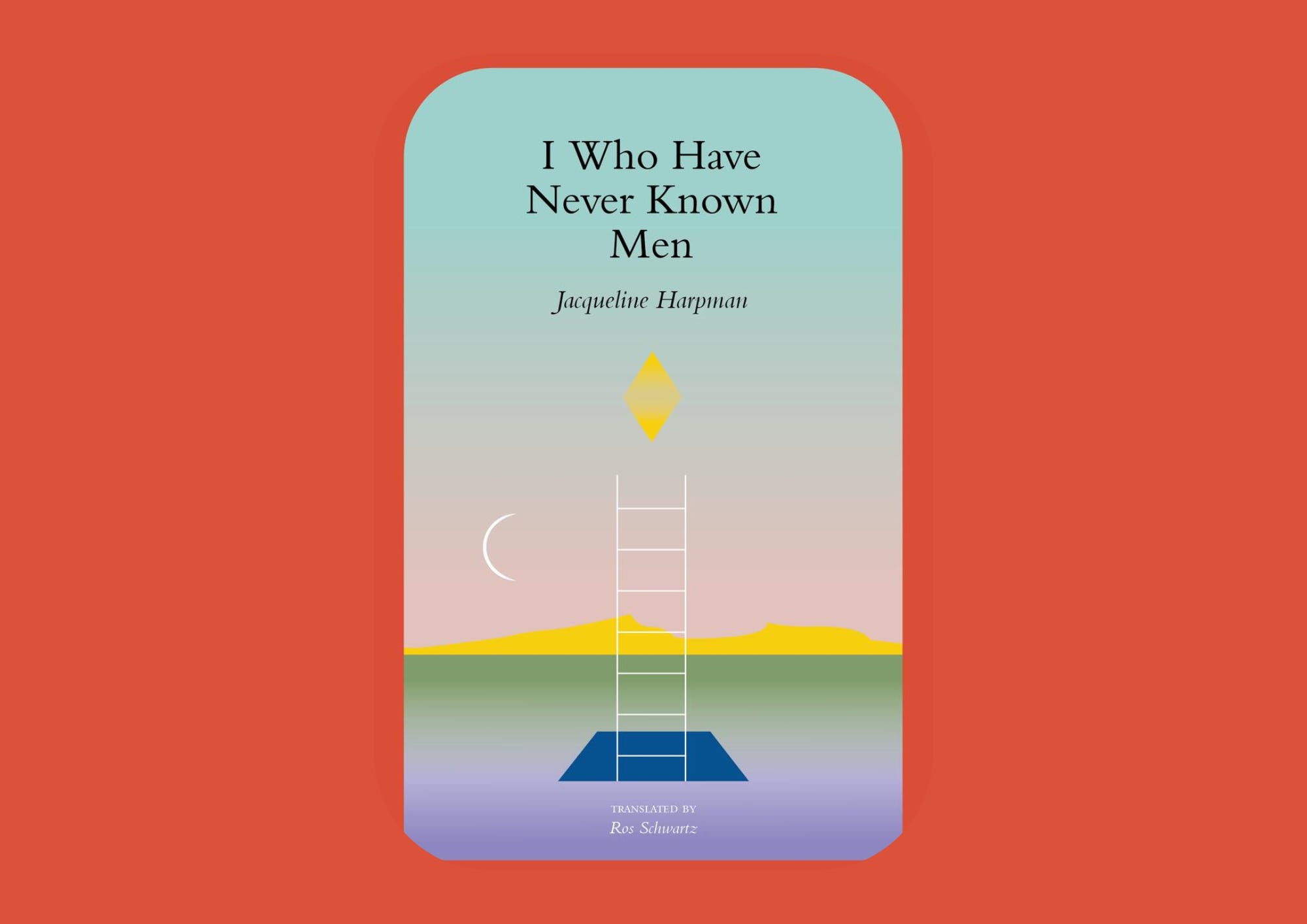
That’s the question the novel ends on. As the narrator prepares to take her own life, she reflects on the irony of her situation:
“It is strange that I am dying from a diseased womb, I who have never had periods, I who have never known men.”
The absurdity of life. The narrator spends her years wandering that stony plain in search of something, or nothing. In the end, she found a lovely place to die.
And I have spent the last five years of my life wrestling with the idea of myself. Does life have meaning simply because our heart is beating or must we create meaning to validate our existence?
If we have no witness, did we really exist? If all that amounts of my life is thousands of hours of writing, did it matter? Do I?
I find the people frustrated by the lack of answers fascinating. Is that not life itself? You spend decades wandering and you eventually die with more questions than answers.
I know I talk about romance and the lack of it. I’m content with being alone for the rest of my life.
I have a fear of being forgotten. That everyone else will move on and start their families. I’ll be looked down on for being not serious about my life. Or a joke amongst married people that they tell at dinner parties.
A feeling the narrator describes in painstaking detail. She spends her youth furious at the older women for keeping her locked out of conversations about love and romance.
When she finally questions why, they simply say that there’s no point in telling her since she’ll never experience it anyway. She feels other because in a way, she is.
She will die having never experienced what it means to be loved by a man. Whatever it means.
She spends her life observing her companions with distance. It isn’t until Anthea, her mother figure, passes and she cradles her in arms that she realizes she has known what it means to be loved and have loved another.
“Only now, I tell myself that what I'd felt for her, the trust that slowly built up, the constant preference for her company and the joy each time I was reunited with her after an expedition were probably what the women called love.”
There’s such a grief in that. Mourning what you had once it’s finally gone. I mourn my old friends. I miss our laughs. I miss the feeling of understanding. But those observations are made with rose-colored glasses. I miss who I used to be even if she wasn’t really happy.
And in the lonely life of no career or family to define meaning, many of the women in the novel simply laid down and died. They had known a life of man and it was unbearable to go on without it.
Part of the narrator believed that she would find something out there in the wilderness. And she did, but not what she was expecting.
As her life comes to an end, I found her anxieties to be so personal. She is writing her story for a reader that will never arrive. But she’ll die anyway. Her body will decay and she will turn into a skeleton.
Will anyone have known she was there?
And her insistence on dying with dignity. Upright, head held high. It was beautiful. And it made me wonder if that’s something deeply ingrained in our spirit. She wasn’t taught that, but she admired it in the corpses she came across on her journey. The stubbornness to face the unknown and not shy away from it.
I think it’s what I’m taking into the next phase of my life. The audacity to remain curious. The acceptance of the absurd.
Nothing really makes sense. There’s no divine explanation. I’m accepting that there will always be questions that I’ll never be able to have any answer for.
And with a life so stripped down, the only thing she could do was find herself in the end. She had no career, no children, no family. Utterly and completely alone in a desolate land.
She wasn’t held to the constraints of what it means to be a woman. She only had to find what it meant to be human. And in a way, I think she had.
"I suppose I am an old woman, but I still love looking at my face. I don’t know if it’s beautiful or ugly, but it is the only human face I ever see. I smile at it and receive a friendly smile back.”
The freedom of just existing without anything tied to you. Existing as you are. I’m envious of that.
A Reddit comment said it best, when you strip everything away that is supposed to make us human, we are only left with the absurd. I feel like a madwoman laughing at a wall.
Life in its rawest sense is so fucking ridiculous. People are so ridiculous and absurdly human. We spend all this time searching for a meaning that isn’t there. Wondering why me? Internalizing an answer that’s likely not even true. Letting people decide our fate and they don’t even have an understanding of themselves.
There’s just the now. And the narrator embraced that. Call me crazy, but we’re truly free when we accept that life has no objective meaning and the journey is the point. We all arrive at the same destination anyway.
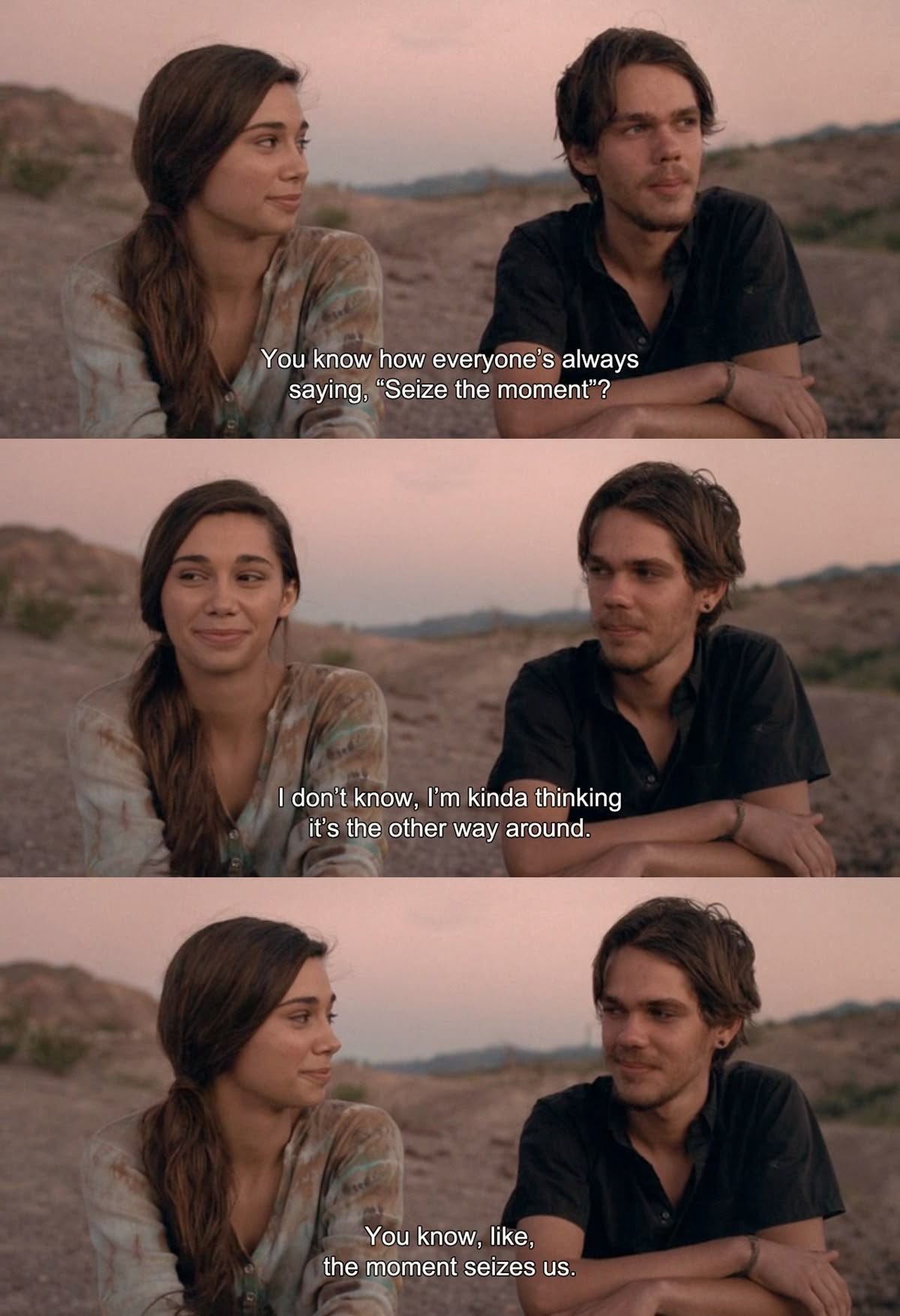
The novel reminds me of one of my favorite films: Boyhood (2014), so I’ll leave you all with this.