

I. Opening
Fame is built on desire.
The desire to be seen, to be chosen, to be forgiven when the culture inevitably turns. Most pop stars spend their entire careers either chasing that desire or bracing for its expiration date.
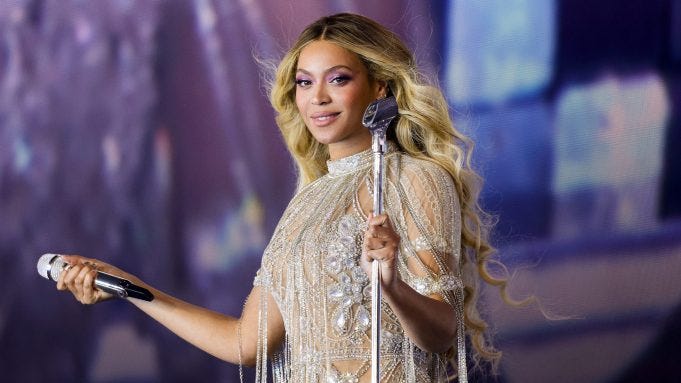
Beyoncé does neither.
She does not ask for relevance, nor does she fear irrelevance. Her work arrives complete—unbothered by reaction, immune to backlash. She exists in what I can only describe as the afterlife of fame: a space beyond audience approval, where success is no longer fragile and attention is no longer currency.
Pop superstardom requires accessibility.
In the early 2000s, that access was mediated—tabloid covers at the Walmart checkout lane, a carefully managed TRL appearance. Today, access is constant. With the click of an app, you can track your favorite celebrities in real time. Their thoughts, homes, relationships, and insecurities are all available. They are no longer aspirational. They are, in many ways, normal.
Famous women are expected to want the audience.
They thank us. They reassure us. “I wouldn’t be here without my fans.”
Famous women are expected to need forgiveness.
They apologize preemptively. They self-flagellate. I understand I’m a role model.
Famous women are expected to perform relatability—inviting fans into their homes, planting Easter eggs in their work, writing songs about high school heartbreak well into their mid-thirties, clinging to youth because the industry has taught them that relevance has an expiration date.
You are either young and on the cusp, or aging and expendable.
In an industry as cutthroat as entertainment, women are told they expire at thirty.
Beyoncé is the anomaly.
Not because she is more famous—but because we do not really know her. And that is not an accident. It is the design.
II. From Woman to Institution
After the release of BEYONCÉ in 2013, she largely ceased participating in the traditional celebrity economy. No confessional interviews. No explanatory press tours. No attempts to narrate her own image in real time.
In the age of Substack posts and TikTok captions, we are reminded daily how easily words are misinterpreted. You can say you like pancakes and someone will ask why you think people who enjoy waffles deserve to die.
Now imagine that impulse—misreading, projecting, demanding clarification—at a global scale.
How do you remain true to yourself in an industry built on misunderstanding?
You limit access.
In another reality, her career might have ended quietly after 4. After I Am… Sasha Fierce, Beyoncé was exhausted. She fired her father as her manager and retreated in search of creative clarity. The result was 4—a soul-driven return to classic R&B that many critics dismissed as underwhelming.
In 2011, the consensus was lukewarm. 4 was good, but not groundbreaking. Beyoncé sounded incredible—because of course she did—but the music felt out of step with its moment. The pop landscape was dominated by EDM maximalism: Avicii, Calvin Harris, Swedish House Mafia. The culture was partying. Club music ruled. Beyoncé’s restraint read as absence.
By 2011, Beyoncé the celebrity was beginning to fade.
By 2014, she would no longer be one.
When you occupy that level of cultural altitude, people begin waiting for you to fall.
Around Beyoncé, rumor doesn’t circulate—it metastasizes. Conspiracies fill the vacuum where access should be. She is accused of worshipping Satan. Of being part of the Illuminati. Of faking her first pregnancy. Of moving through the same shadowy social circles as disgraced men. The theories are often absurd, sometimes grotesque, and always revealing.
What matters is not that these rumors exist—but that she never corrects them.
She does not sit down for a clarifying interview. She does not rehabilitate her image in real time. She does not explain herself to Diane Sawyer or Dateline, the way Britney was once made to. She does not offer a carefully managed apology tour, the way Rihanna was forced to after 2009.
Instead, she withholds.
When Beyoncé finally offers access, it arrives years later, transmuted into art. You learn about her miscarriages long after the grief has been metabolized. You learn about the fractures in her marriage only after they’ve been reframed as myth, confession, and survival. Her interiority is never raw—it is processed, curated, and intentional.
Many artists today prefer you to suffer alongside them in real time.
Beyoncé insists on privacy until pain can be shaped into meaning.
That delay is not coldness.
It is authorship.
III. Scale, Distance, and the Evidence of Containment
Meanwhile, compare her to the pop stars of today. We live in an attention economy. I could open Instagram and scroll through dozens of photos of Dua Lipa on vacation. Sabrina Carpenter and her friends in Paris or spilling out of some NYC nightclub. Artists in their bedrooms, half-asleep, mid-workout, offering intimacy as proof of authenticity.
Accessibility has replaced mystique. Overexposure is framed as honesty.
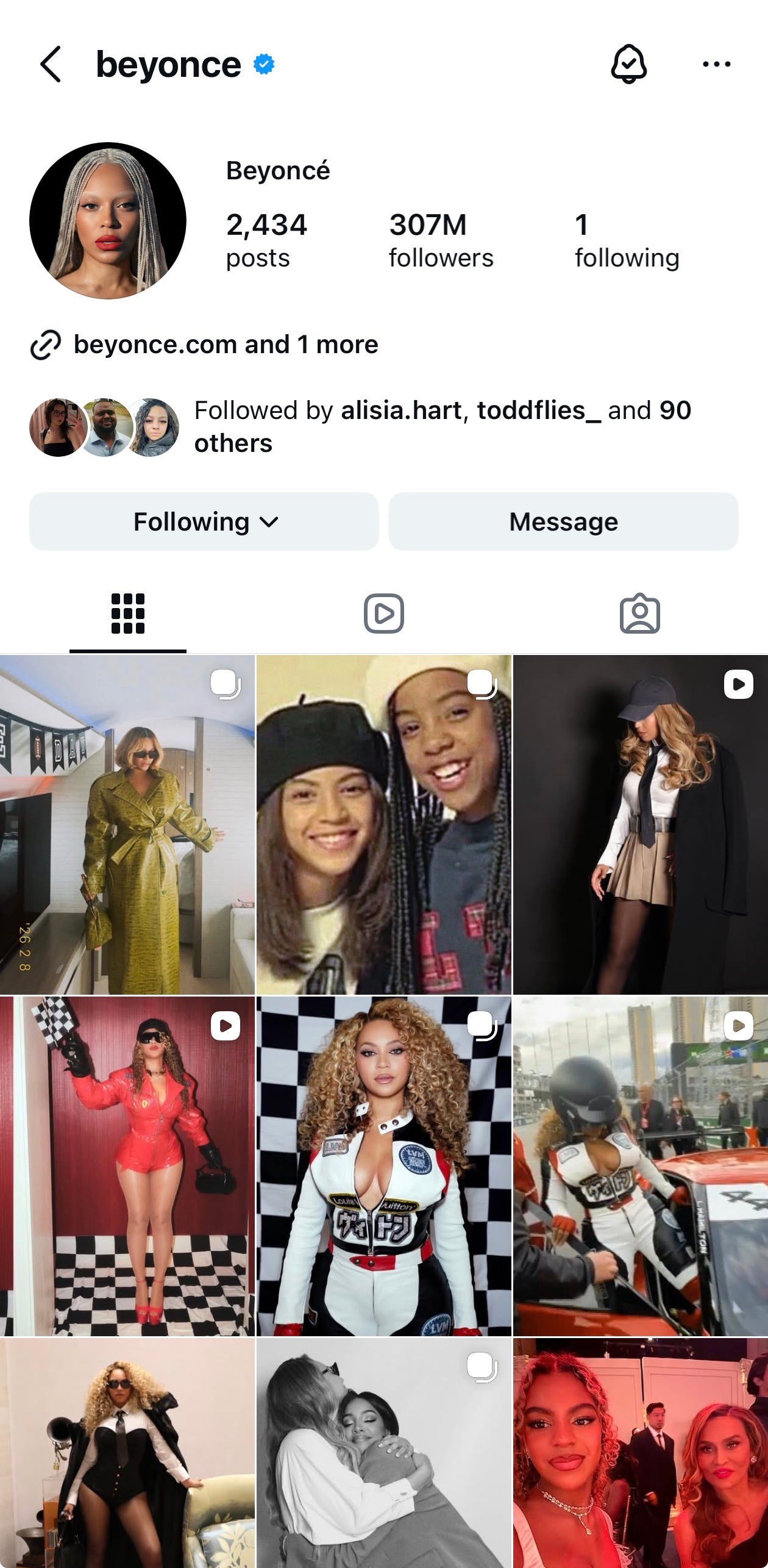
By contrast, Beyoncé’s Instagram is curated and edited. You don’t catch her living her life in real time. When a photo surfaces of her on vacation, it doesn’t feel exciting—it feels like a violation. Even the phrase “Beyoncé in the wild” carries an instinctive sense of disrespect, as if the public has crossed a boundary it knows exists.
That boundary is not symbolic. It is logistical.
Beyoncé has spoken about arriving at events in disguises. There are documented moments of award shows pausing as lines form simply to meet her. She cannot attend public events without separation, security choreography, and containment—not as spectacle, but as necessity.
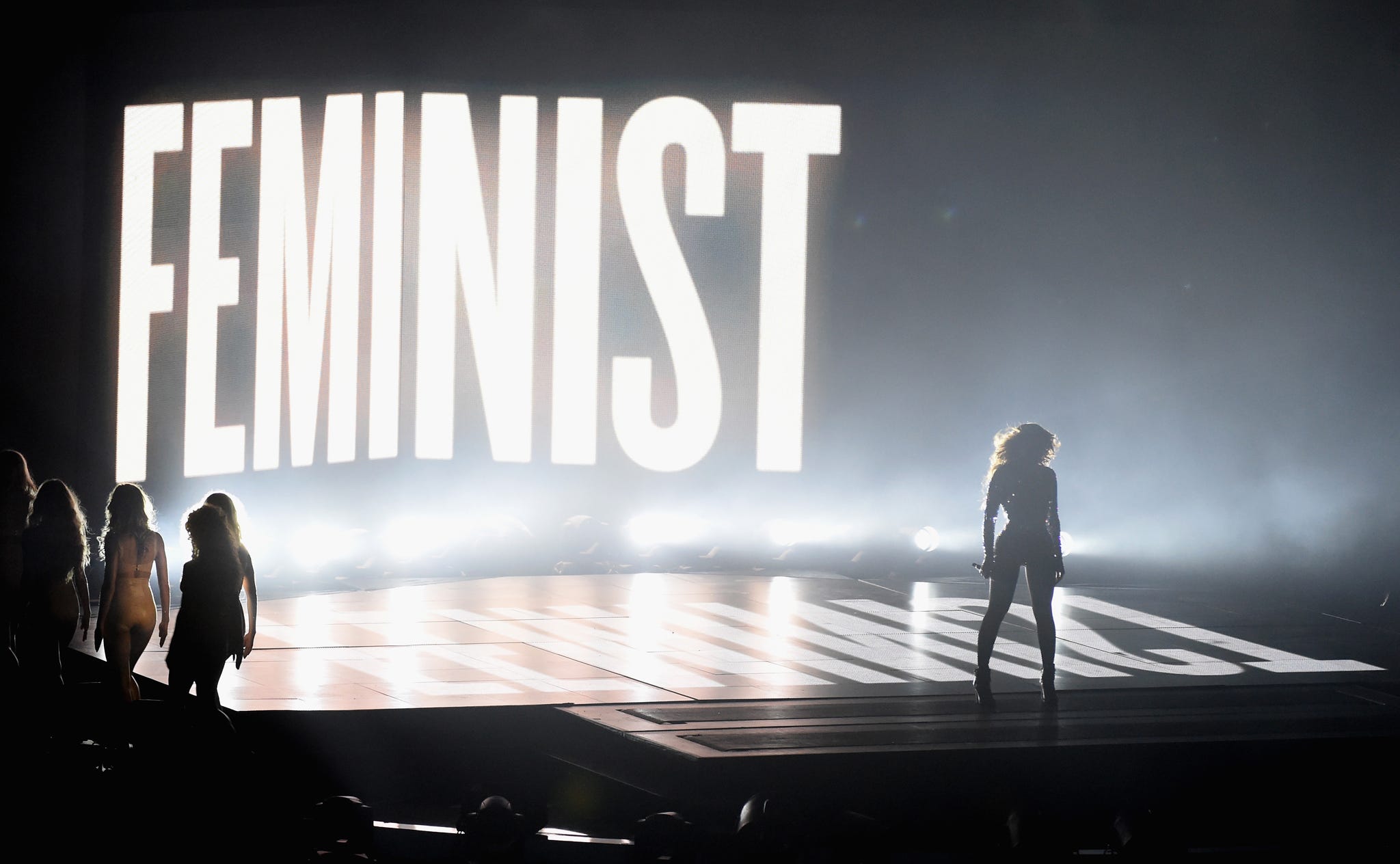
I could dedicate paragraphs to her cultural impact—how she reshaped album releases, redefined modern performance, and altered the visual language of pop. But that scale is precisely why comparisons become unavoidable.
This is why arguments erupt when she is placed alongside Taylor Swift. Why people reach for Michael Jackson when trying to contextualize her. Not because the careers are identical—but because the distance is.
Fame at that altitude stops functioning like celebrity and starts functioning like containment.
We don’t know Beyoncé because access to her has been structurally eliminated. Her life is sealed so her work can endure. In a culture that demands constant explanation, her refusal to explain herself has become the point.
She didn’t disappear.
She transcended the need to be known.
Came here from tiktok✨❤️
Just published a review of ACT I!
https://albumontrial.substack.com/p/beyonces-renaissance-on-trial-how?r=7fkoky