

The Popstar as Mutation: Charli XCX & Addison Rae in the Age of the Algorithm
Or: why everyone is brat and no one is a mainstream icon (yet)
Introduction
Pop music is no longer a genre — it’s a system. And I can feel the system working on my brain in real time.
This series has been an effort to show you how it used to function: you walked into the industry with moldable talent and a desire for fame, and emerged an icon.
Britney. Miley. Taylor. Rihanna. Ariana.
Labels used to manufacture icons; now the algorithm manufactures visibility — and we mistake visibility for iconhood. And fame is not the same thing as a popstar.
The popstar has mutated into something faster, closer, more participatory, more disposable: part musician, part meme, part brand, part ongoing livestream of a self.
the algorithmic accident
Coincidentally, that is exactly what happened to Addison Rae. She tapped into the feed long before she ever picked up a microphone.
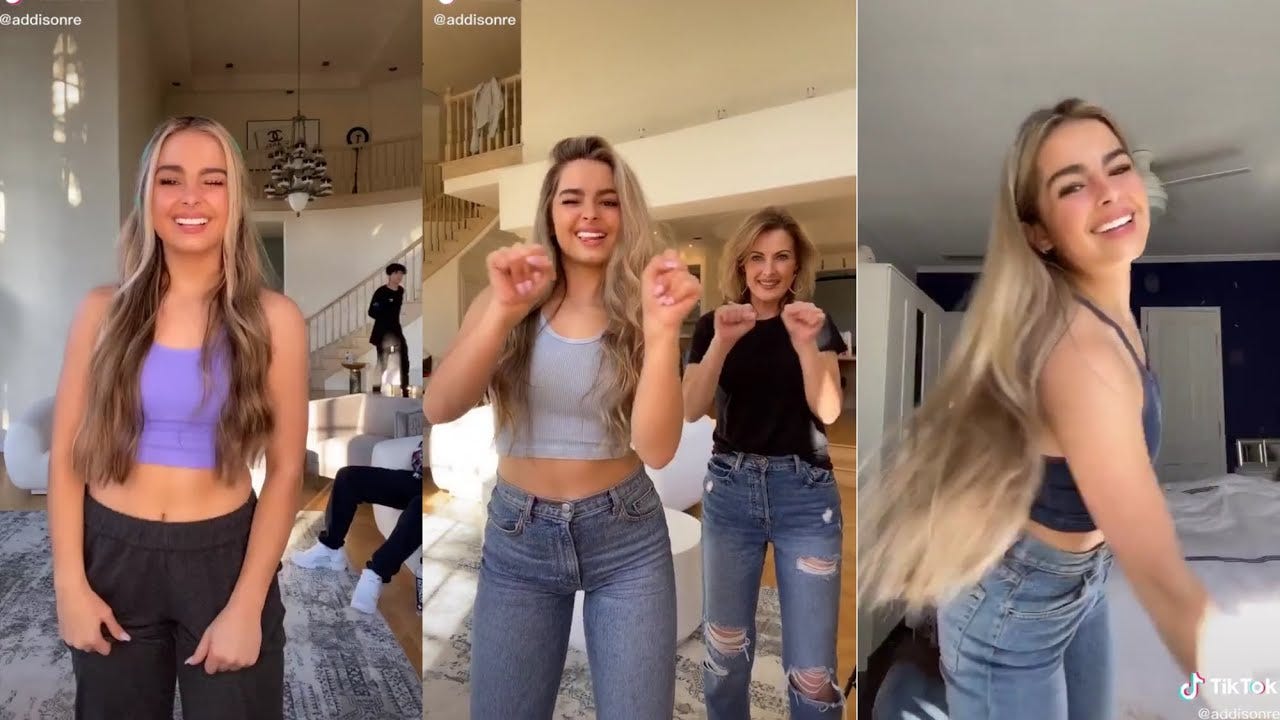
If there’s a 2020s term for TikTok stars akin to the “Brat Pack” of the 1980s, that would be Addison’s claim to fame. She was your average pretty girl with an iPhone recording videos of herself dancing during the pandemic. There were at least a dozen copies of her at the time — same ring light, same choreography, same bedroom background — and most of them slowly faded into an abstract irrelevancy.
Addison didn’t. And it wasn’t because she was the most talented or the most interesting. It’s because she was willing to pivot — and embarrass herself in the process.
It reminds me of this quote from Beyoncé about artists being afraid to rehearse:
“This is why people don’t like to rehearse. You gotta be humble. You gotta be willing to look awkward and you gotta study. Be a student.”
The willingness to be vulnerable with your mediocrity — this is why Beyoncé is the greatest living performer of our time. Not that any of these women are mediocre, but none of us are masters of our crafts when we’re just beginning. The internet has just decided you should be. Immediately. On camera.
The TikTok algorithm swept Addison Rae up and she almost got lost in it. So she did what the new popstar is trained to do: she mutated. Quickly, she made her pivot into acting. He’s All That, Thanksgiving — the key to longevity is being hard to miss.
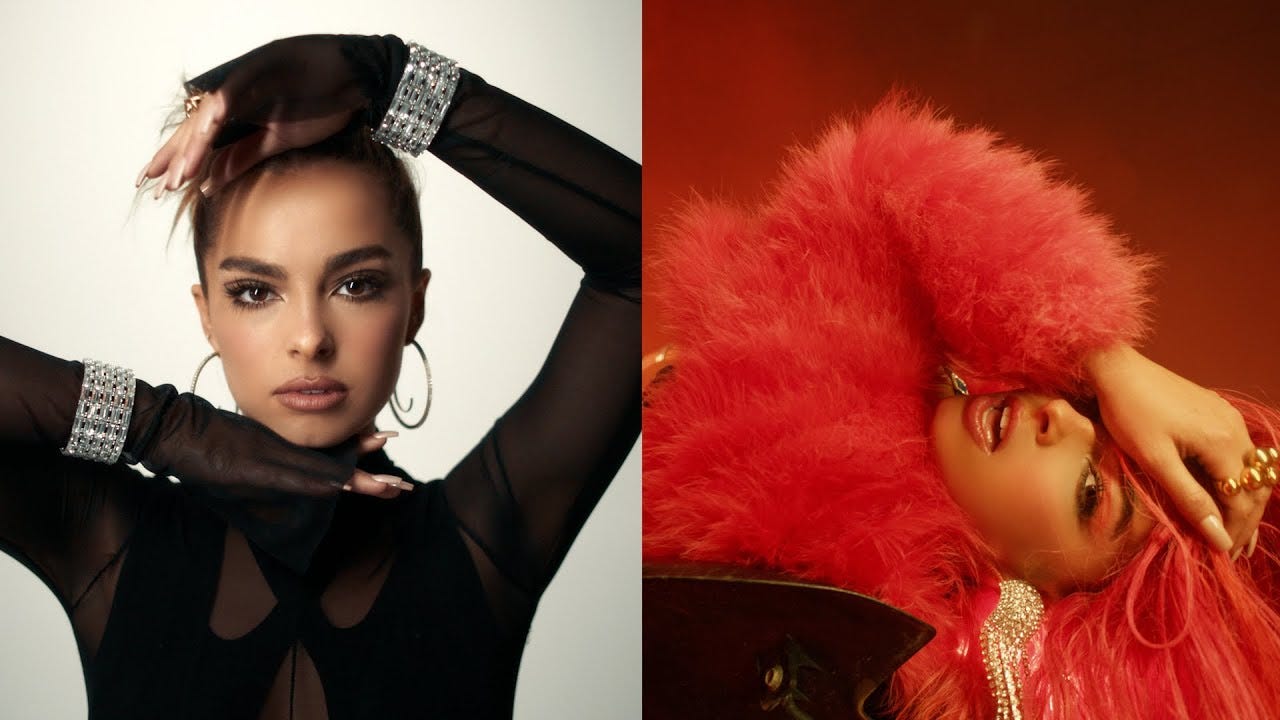
Her first foray into music spawned “Obsessed,” a dated TikTok clip-farming song about being obsessed with yourself. She followed it up with an EP that was openly mocked on Twitter and turned into a meme. Overall, it was terrible and her heart clearly wasn’t in it — but the bones for who Addison Rae is today were there.
After that, her projects continued to garner the same reviews: Addison Rae actually isn’t that bad. Her acting was okay and we’ve seen worse. Her singing was forgettable, but she’s a decent dancer. Which sounds like a drag, but in the algorithm era it’s basically a compliment. “Actually not that bad” is how you survive.
So she went back to the drawing board and completely reinvented herself. She overhauled from the pretty “baddie” Instagram aesthetic into this esoteric freak weird girl who’s obsessed with Britney and meditation. And somehow it worked. It worked so well that now I’m sitting here like: wait. Addison Rae is kind of an icon, actually.
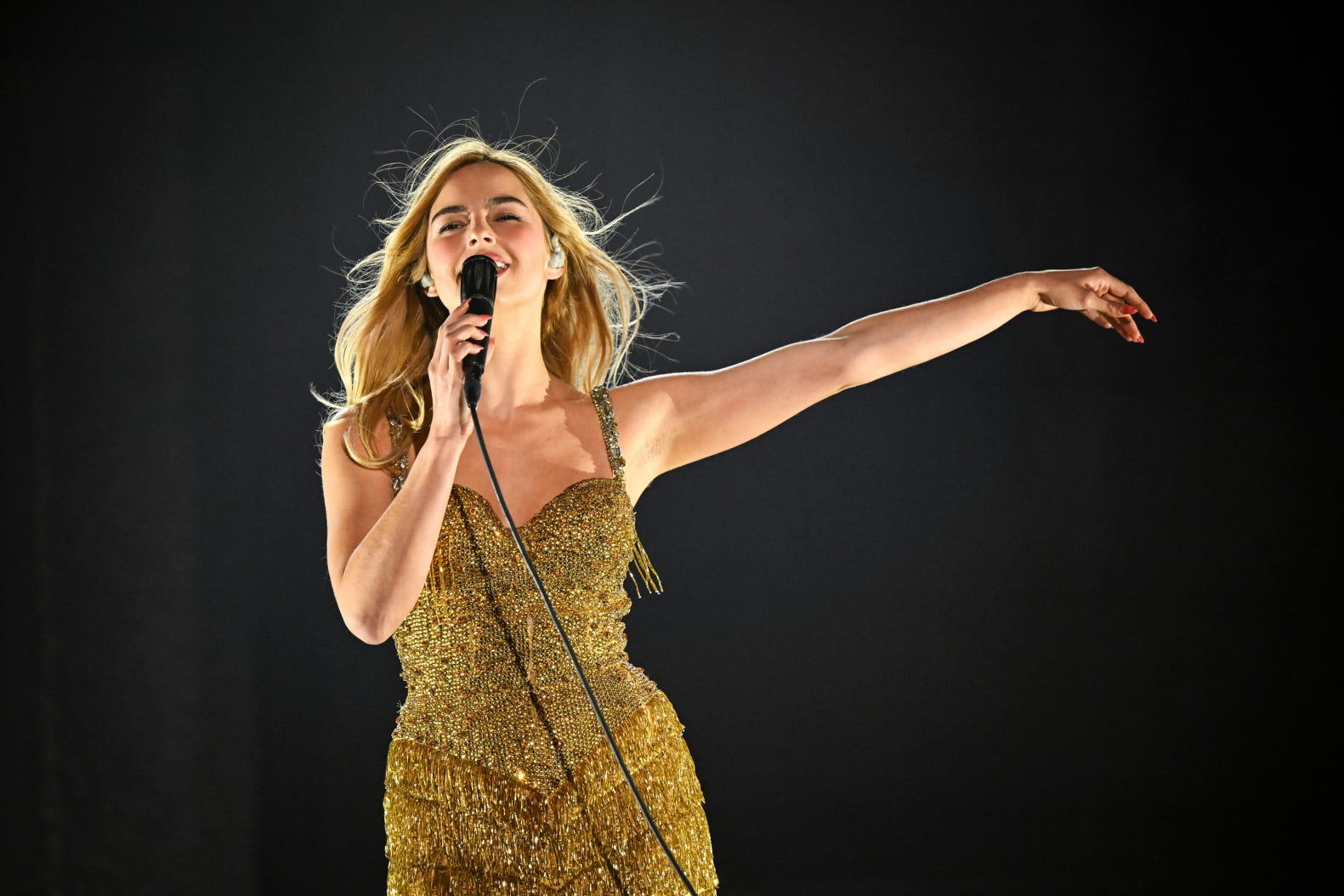
Her appearance on The Tonight Show Starring Jimmy Fallon is what convinced me to take her seriously. She’s not the strongest singer, but she’s a performer. And I could feel her passion for her craft behind my iPhone screen.
The next day I listened to Addison in its entirety on my way to and from Pilates.
Addison Rae isn’t the best at any one thing, but she’s the most adaptable — and that’s the new definition of talent. She’s not chasing pop; she’s proving she can’t be deleted.
the algorithmic mutation
If Addison is the algorithm’s accident, Charli XCX is the algorithm’s mutation on purpose.
Charli dominated last summer. If TikTok and Twitter hadn’t joined forces within the last few years, Brat probably would have come and gone like her last few albums — beloved by the people who already love her, invisible to everyone else.

But Charli promoted Brat in a way that zeroed in on the meme-ability of the concept. After the cover went viral, she and Atlantic dropped a “Brat generator” website so anyone could make their own version. She turned the album into a language. Everyone wanted to be considered “brat.”
It meant you were cool, messy, and hedonistic but in a fun way. High fashion, but drugged out. You care about nothing, but everything all at once. It was an identity you could try on for the weekend — like a micro-era you didn’t have to earn.
And that’s the magic of Brat: underneath the chaos, there’s an undercurrent of honesty and insecurity laced throughout the record. “Sympathy is a Knife” is so deeply vulnerable. The brand works because it’s not just branding. It’s real. It’s performance, but it’s not hollow.
Charli successfully morphed Brat into a brand identity that feels authentic — and it catapulted her into the stratosphere of serious artistry. Not because she finally “proved” she can make good music. She’s been doing that. But because the system finally rewarded her for understanding it.
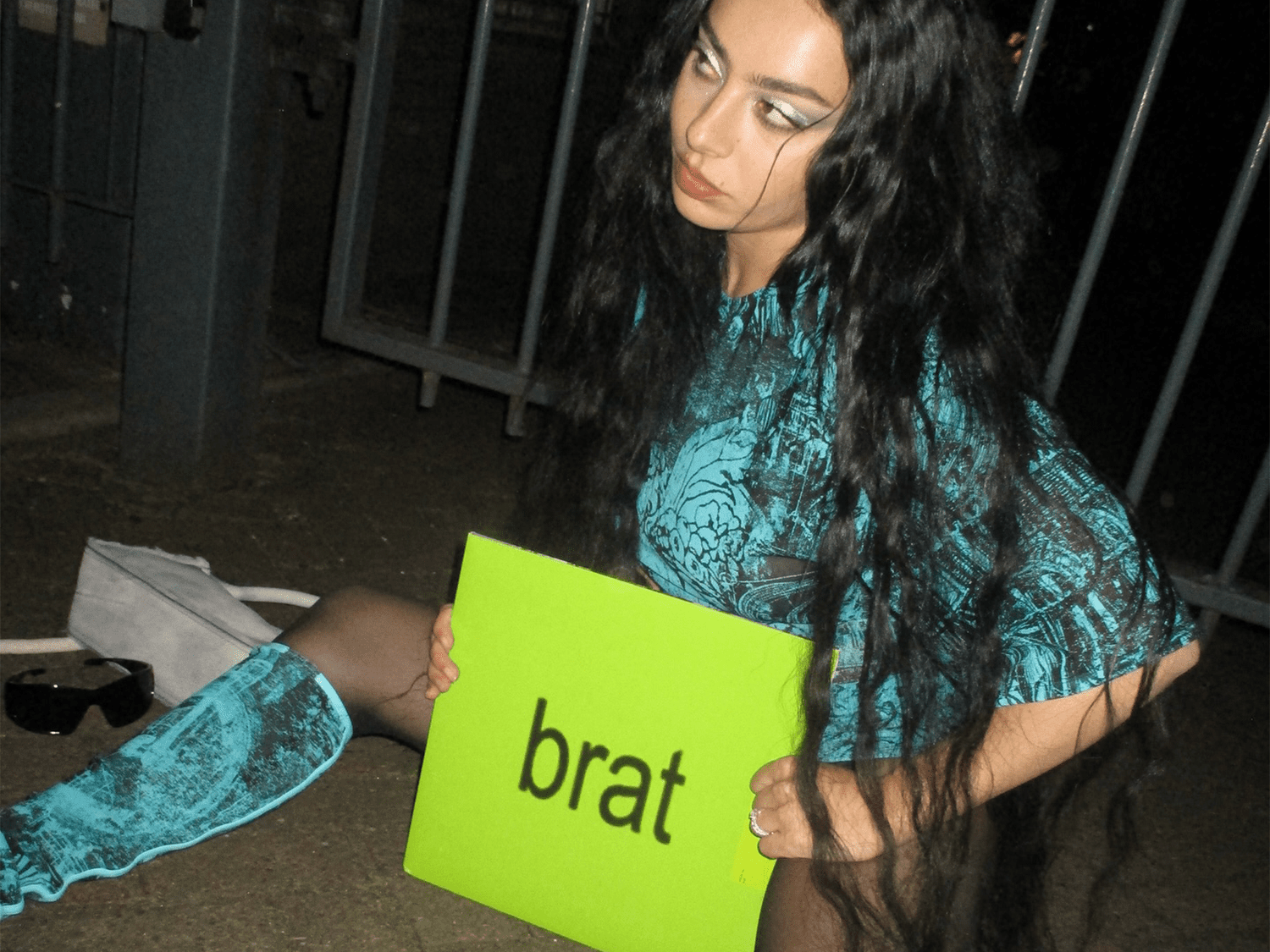
And it’s the same earnestness that has allowed Addison Rae into rooms she would have been previously banned from. Her branding is perfect for the freak weird girl that daydreams about some distant fantasy life.
Brat worked because it doesn’t beg to be liked — it assumes you’re already late.
finally, why now?
I’m bringing politics into this because it applies, unfortunately.
Women want to be seen as freaky and weird like we give men permission to be. We want to discuss our bodies, be loud, be ugly and off-putting. We want to be imperfect without judgment.
As women’s rights continuously get stripped — Roe v. Wade was overturned in 2022, after all — women are scared. Many young women don’t realize that this defiance — not shaving, or simply posting that “ugly” picture — is all in defense of “brat.”
Addison Rae appeared on Chicken Shop Date barefaced and makeup-free with a cute outfit. She was giggly and open and I thought it was so sincere.
Charli and her friends shoving food into their mouths at a nice restaurant. Charli singing about coke and sympathy feeling like a knife.
It’s why Gone Girl, Black Swan, and Ottessa Moshfegh have gotten so popular within the last few years. Women are exhausted.
Although that’s the irony of Addison, Brat, and existing in the online stratosphere: you’re still performing for someone.
The makeup is bad on purpose, the patterns on your clothes are distracting. You tell us your current reads — Moshfegh, Sontag, Didion. All in the name of being a “weird girl.”
Maybe it’s not mutation. Maybe it’s evolution. The idea of the girl — the woman — has evolved in the last few years, because it had to. The defiance is feminist even when it looks stupid. Even when it’s “just” not shaving. Even when it’s “just” posting the ugly photo. Even when it’s “just” calling yourself brat and acting like you don’t care.
Pop music is a system now. The popstar mutated to survive it. And maybe that’s why it hits so hard: because we did too.
fin. 🫶🏽
I love this series so bad!!